What is Uterine Fibroids?
Uterine fibroids are noncancerous growths that develop in or around the uterus (womb). Also known as leiomyomas or myomas, they are made up of muscle and fibrous tissue. Fibroids can vary in size, ranging from tiny growths to large masses that can cause the uterus to enlarge.
Fibroid diagnosis might seem overwhelming. You may have several questions, such as: Do I require uterine fibroids treatment? Will it affect my fertility? What if I start experiencing heavy bleeding or other symptoms?
Dr. Kiran Usman, an OB-GYN and gynecological surgeon, specializes in conservative treatments and surgical removal of uterine fibroids. The treatment depends on whether you experience any symptoms, how fibroids are affecting your quality of life, and your future pregnancy goals.
UTERINE HEALTH
Fibroid Symptoms and Types
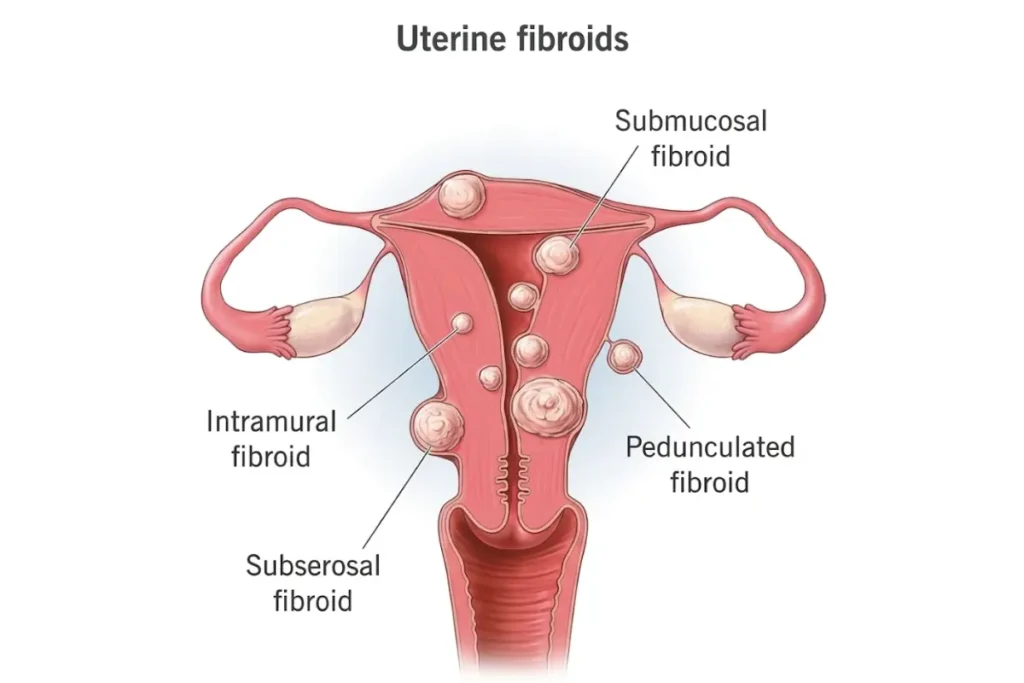
Fibroids are benign, noncancerous growths that develop in or on the wall of your uterus. Many women do not know they have fibroids, as these growths do not always show symptoms. However, depending on their size, type, and location, they can be symptomatic. Common fibroid symptoms include:
Common Fibroid Symptoms
✓Heavy bleeding
✓Bleeding or spotting between periods
✓Pain during sex
✓Constipation
✓Heaviness or pressure in your pelvis
✓Pelvic pain
✓Difficulty getting pregnant, especially if you have a submucosal or extremely large intramural fibroid
Common Types of Fibroids
01
Intramural Fibroids
02
Submucosal Fibroids
03
Subserosal Fibroids
04
Pedunculated Fibroids
They are also categorized into different types based on their location, with the most common type being intramural fibroids. Other common types of fibroids include submucosal, subserosal, and pedunculated fibroids.
Our Personalized Fibroid Treatment Options
There isn’t a universal uterine fibroid treatment that can work for all. While the size of fibroid matters, it isn’t the only deciding factor when it comes to surgery or other invasive treatment options.
The treatment is personalized, based on your age, symptoms, reproductive goals, any existing medical conditions, and ongoing treatments. Some women may require just monitoring and medication, while others may require a myomectomy (surgery to remove fibroids).
Medication for Fibroid Symptoms
Medication for fibroids may be considered when you experience heavy and prolonged bleeding or pelvic pain. Medicines to relieve pain while controlling bleeding can be used as temporary treatment for fibroids. It isn’t a permanent solution, though.
Medication provides symptomatic treatment, meaning it can control symptoms, but not the underlying cause of your pain and excessive bleeding.
Minimally Invasive Fibroid Treatments at Kiran’s Gynae Clinic
If medication alone isn’t enough, minimally invasive procedures that may either cut off fibroids’ blood supply or destroy them can be considered. Common options include:
Uterine Fibroid Embolization (UFE)
The procedure cuts off the blood supply to the fibroids, which eventually causes them to shrink. UFE can improve many fibroid symptoms, including heavy bleeding, pain, and pelvic pressure. Uterine Fibroid Embolization involves a shorter recovery and is comparatively less invasive than open surgery.
Radiofrequency Ablation
Targeted heat therapy is used to destroy or shrink fibroid tissue, thus helping manage your symptoms without requiring uterus removal.
It can be performed via two abdominal incisions, through which a laparoscope is inserted to get a clear view of the fibroids, and a thin needle is guided into the uterus. Each fibroid is destroyed one at a time, which causes them to shrink over time.
Transcervical RFA involves passing the device through the vagina and cervix and guiding it toward the uterine cavity.
Surgical Fibroid Treatment
Sometimes, surgical intervention is the only suitable treatment option because of the severity of the symptoms, fibroid location, and size.
Myomectomy
Myomectomy is a surgery to remove uterine fibroids while preserving the uterus, so you can become pregnant in the future.
The type of myomectomy depends on whether you have large or small uterine fibroids, where they are in your uterus, and whether they can be safely removed without harming the surrounding healthy uterine tissue.
Laparoscopic Myomectomy: Dr. Kiran specializes in laparoscopic myomectomy, in which the fibroids are accessed and removed through several small holes in the abdomen. It’s minimally invasive and involves a comparatively shorter recovery and a lower risk of complications than open abdominal surgery.
Open Surgery: For larger fibroids that cannot be reached easily, an open abdominal surgery may be a more appropriate treatment option. It involves accessing the fibroids directly through a single large abdominal cut.
Hysteroscopic Myomectomy: For selected patients with easy-to-access fibroids, an incisionless procedure can be considered. A gynecologist introduces hysteroscopes through the cervix into the uterus. Using ultrasound guidance, they pass other instruments through the hysteroscope to cut away fibroids carefully.
Hysterectomy
A permanent solution to uterine fibroids is hysterectomy, a surgery to remove the uterus and prevent the risk of fibroid recurrence. It can be performed via a laparoscope or a traditional surgery.
Either way, once the uterus is removed, you can no longer become pregnant. You may also stop having periods, although your ovaries may continue to release reproductive hormones, so you won’t enter menopause immediately.
How We Determine the Right Fibroid Treatment for You
Dr. Kiran selects a treatment plan that fits your health, fibroid type, and fertility goals. Here are the criteria we follow to decide on the best treatment for fibroids.
- Consultation and detailed medical review to understand your fertility goals
- Tests, such as ultrasounds and, in selected cases, MRI, to locate fibroids
- Detailed treatment plan, where Dr. Kiran explains each treatment option relevant to your case along with benefits and limitations of each
Why Choose Our Fibroid Treatment Services?
Kiran’s Gynae Clinic is trusted for the personalized uterine fibroids treatment approach. We don’t recommend myomectomy or hysterectomy as first-line treatments for fibroids unless clinically necessary.
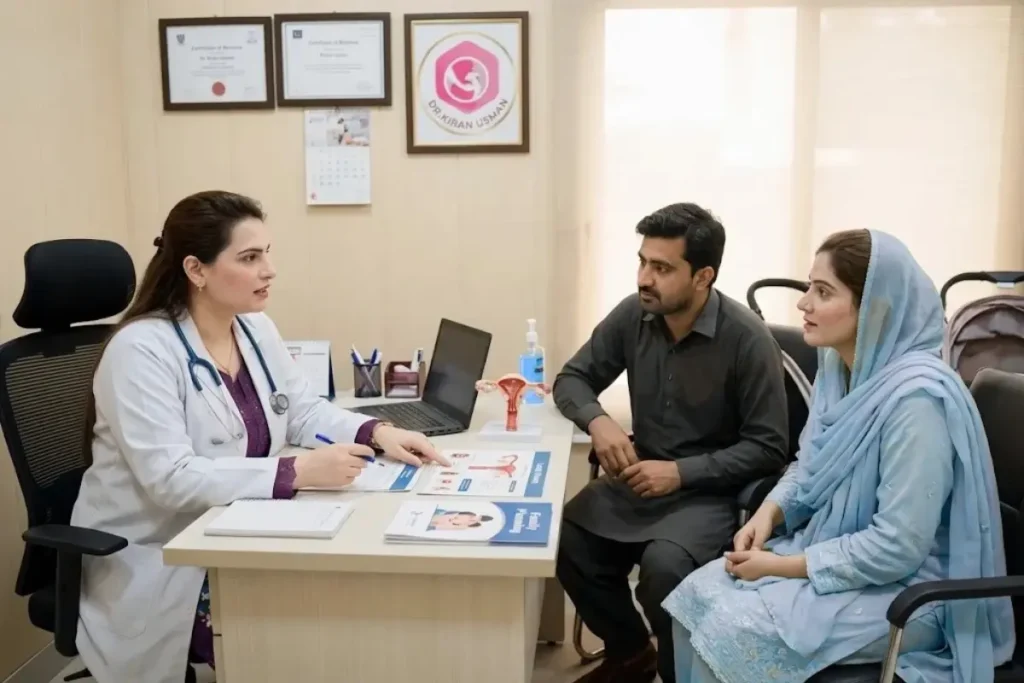
Dr. Kiran has practiced surgery and specializes in both traditional and laparoscopic procedures. She carefully assesses your case, asks about your pregnancy goals, orders tests to check the size and location of fibroids, and plans the most appropriate treatment for you.
FAQS
Frequently Asked Questions
Size alone doesn't make surgery necessary. Surgery is needed when you have symptomatic fibroids, even if they are the size of a tiny grain.
Recovery depends on the type of surgery. For laparoscopic procedures, expect gradually return to normal activities, usually within six weeks. Open surgery involves longer recovery.
Monitoring, medication, uterine artery embolization, and radiofrequency ablation are a few common non-surgical treatment options for uterine fibroids.
It may take 1-2 hours for hysteroscopic myomectomy, 2-4 hours for laparoscopic myomectomy, and 1-3 hours for hysterectomy.
Reviews
Our Happy Patients
EXCELLENT

Based on 232 reviews

Posted on Google 

Yousaf Khan
Trustindex verifies that the original source of the review is Google. My wife had her laparoscopic surgery with Dr. Kiran Usman, and everything went smoothly. Dr. Kiran explained the procedure clearly and made her feel comfortable throughout. We truly believe she is one of the best laparoscopic surgeons in Lahore. Highly recommended.
Posted on Google

Abdul Rehman
Trustindex verifies that the original source of the review is Google. We visited Dr. Kiran Usman yesterday for my wife’s laparoscopic surgery, and our experience was excellent. Dr. Kiran is very professional, caring, and explains everything clearly before the procedure. We felt completely comfortable throughout the treatment. She is truly one of the best laparoscopic surgeons in Lahore and a very skilled gynecologist doctor in Lahore. The staff at the clinic was also supportive and cooperative. Highly recommended for anyone looking for a trusted gynae specialist.
Posted on Google

Arsh Ahmad
Trustindex verifies that the original source of the review is Google. Dr. Kiran Usman is a knowledgeable, professional, and caring doctor. She listens patiently, explains everything clearly, and makes patients feel comfortable throughout the consultation. Her compassionate approach and attention to detail are truly appreciated. I highly recommend her to anyone looking for excellent medical care.
Posted on Google

Muzammil Ali Jan
Trustindex verifies that the original source of the review is Google. Such a nice doctor.
Posted on Google

Ayesha Basharat
Trustindex verifies that the original source of the review is Google. Sincerely very happy with Doctor Kiran. After just one consultation my issue got resolved and I feel healthy again Alhumdulilah
Patient Experiences
Success Stories
Many women with different gynecological problems and fertility concerns have shared their positive experiences after consulting Dr. Kiran Usman.
Book Your Clinic Appointment
Clinic Location
You are just one step away from getting the right guidance and proper care for your fertility or reproductive health concerns. Book an appointment with Dr. Kiran now, and get answers to all your questions.
Clinic Address
Evercare Hospital, D1 Commercial, NECHS Block D 1, Nespak Housing Scheme, Lahore, 54770

Our Location

Evercare Hospital, D1 Commercial، NECHS Block D 1 Nespak Housing Scheme, Lahore, 54770
Copyright © 2026 Dr Kiran Usman