
Normal Delivery at Dr. Kiran’s Gynae Clinic
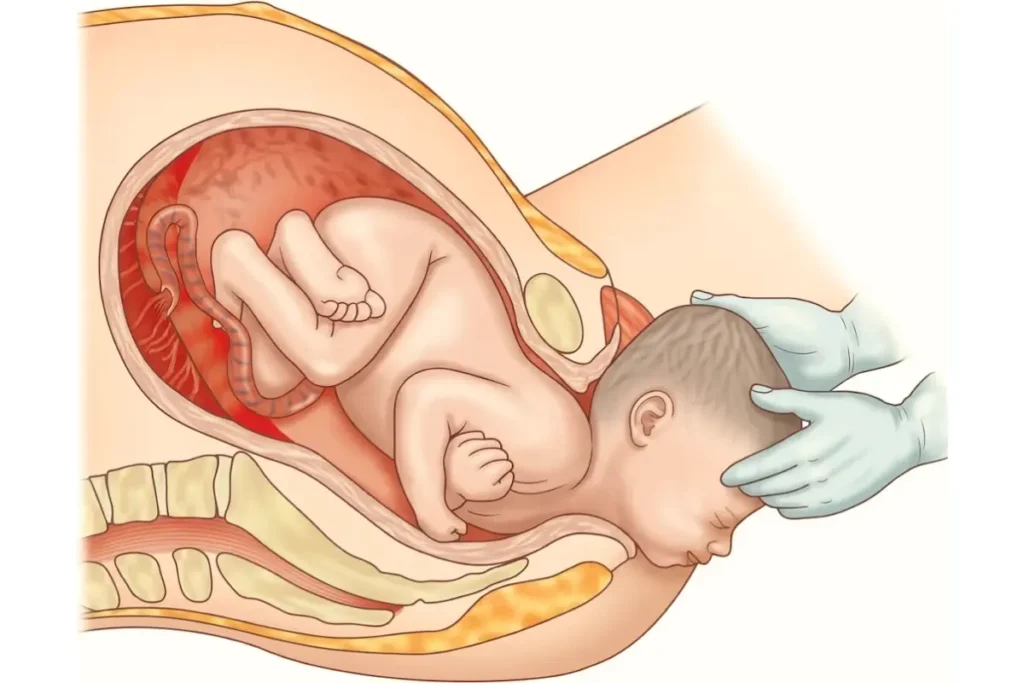
Normal delivery, also commonly called vaginal birth, is a natural physiological process in which a mother delivers the baby vaginally. Uterine contractions thin and dilate your cervix, allowing the baby to descend through the cervix and birth canal.
Dr. Kiran Usman, a qualified OB-GYN practicing at Kiran’s Gynae Clinic, has performed many vaginal deliveries. She recommends vaginal birth when it’s the safest for the mother and the baby. Book a consultation if you have questions about normal delivery, stages of labor, whether you are a good candidate, and when an emergency C-section may be required.
Pregnancy & Delivery Care
Who Can Have a Normal Delivery?
An obstetrician considers many factors when determining whether a vaginal delivery is a safe birthing procedure for you. No single factor can truly tell in advance if you will deliver vaginally. Even when your pregnancy goes smoothly, or you seem to be perfectly fit for a natural birth, complications can develop during labor, requiring an unexpected cesarean. That’s why you should understand both birth procedures and be prepared for sudden changes in delivery if needed. Here are some essentials for vaginal birth:
01
Your Health
Your overall health matters when it comes to choosing a delivery method. Blood pressure, diabetes, heart or kidney diseases, autoimmune disorders, and other existing medical conditions can influence how your delivery is done.
02
Placental Position
Posterior, fundal, lateral, and anterior placental positions are considered generally safe for natural delivery. A low-lying placenta, on the other hand, requires a scheduled C-section.
03
Labor Progress
Once labor begins, Dr. Kiran will monitor how it's progressing, how the cervix is dilating, and the contraction pattern to determine if it’s safe to continue trying for a vaginal birth. She may also keep a close eye on the fetal well-being and the mother’s vitals.
04
Previous Delivery
Women who have had a previous vaginal birth can deliver vaginally in subsequent pregnancies. Those with a history of a single C-section can have a VBAC, but the doctor will assess several factors, such as incision type and your health, before attempting a VBAC.
Normal Delivery By Dr. Kiran Usman
As you approach your due date, your body goes through a significant change to prepare for labor. Not every contraction is a sign of labor, though. Many women experience Braxton Hicks contractions, which improve with rest. The normal delivery process may vary from one woman to another, but most experience the three critical stages of labor.
True labor involves uterine contractions, which increase in intensity and frequency. You may also experience discomfort and pressure in the pelvic area and lower back. Here are the stages of labor in pregnancy:
Active Labor: The initial stage is when contractions help thin (efface), soften, or open up the cervix. Contractions become regular, stronger, and closer together. Cervix continues to dilate. There isn’t a strict criterion for how much your cervix should dilate every hour. For some, it occurs slowly, i.e., around 1 cm dilation per hour. For others, it may take longer.
Birth: Once the cervix is fully dilated, the baby starts descending through the birth canal. Their head could emerge through the vagina, followed by the rest of their body.
Delivering the Placenta: The uterus contracts to detach the placenta from the uterine wall. The placenta is entirely delivered within a few
Benefits of Normal/Vaginal Delivery
Vaginal birth is a preferred mode of delivery, as it involves comparatively smoother recovery than a C-section. That said, it isn’t a safer delivery option for all pregnancies.
Dr. Kiran carefully assesses each pregnancy, monitors the baby’s heart rate and the mother’s vitals, and recommends a delivery method that’s most appropriate and safest for both lives.
Here are some benefits of normal delivery:
- Faster recovery
- Shorter hospital stay
- Reduced risk of complications in subsequent pregnancies
- Mothers can begin lactation sooner after delivery
For Baby
- Low risk of respiratory problems
- Improved immune function
Possible Risks & When a C-Section May Become Necessary
Vaginal delivery is associated with few risks, but it can lead to excessive bleeding and vaginal tears. If a complication arises, the gynecologist might opt for an assisted vaginal birth, which involves vacuum and forceps, or perform a C-section, whichever is safer for the mother and the baby.
They may also advise induction if you haven’t gone into labor naturally by your due date. Here’s when a C-section may be required:
- Your cervix doesn’t dilate fully
- The baby doesn’t descend despite prolonged pushing
- There are signs of fetal distress, such as a low heartbeat and reduced movements.
- Your baby is in breech position
- You have a low-lying placenta
- The umbilical cord slips down into the vagina before birth
Normal delivery time duration can also vary greatly between women. How long labor lasts depends on your contraction patterns, whether it’s your first delivery, and how your cervix responds to the contractions.
When Should I Contact the Doctor During Labor?
You’ll be given instructions on when to visit the maternity clinic. At Dr. Kiran’s Gynae Clinic, for example, frequent follow-ups are scheduled in the ninth month. You must visit the clinic promptly if you experience:
- Regular contractions that keep getting stronger
- Your water breaks
- You have vaginal bleeding
- You notice reduced fetal movements
- You notice other concerning symptoms

Why Choose Dr. Kiran’s Gynae Clinic for Normal Delivery?
Choosing a gynecologist is not just about finding someone who can deliver your baby vaginally. Having performed thousands of vaginal and C-section deliveries, Dr. Kiran knows which delivery method is appropriate for specific pregnancy cases. For expecting mothers, Dr. Kiran provides support at every stage of childbirth—from monitoring your labor to making immediate changes in the delivery plan when needed.
FAQS
Frequently Asked Questions
Yes, although labor can’t be completely painless, epidural analgesia, supportive care, movement and position, and breathing & relaxation can all help make it manageable.
Some have a spontaneous normal delivery, while others may require assisted childbirth. It differs depending on how labor progresses in your case.
Stitches aren’t needed for all vaginal births, but they may be required if you have extensive vaginal tears.
Reviews
Our Happy Patients
EXCELLENT

Based on 232 reviews

Posted on Google 

Yousaf Khan
Trustindex verifies that the original source of the review is Google. My wife had her laparoscopic surgery with Dr. Kiran Usman, and everything went smoothly. Dr. Kiran explained the procedure clearly and made her feel comfortable throughout. We truly believe she is one of the best laparoscopic surgeons in Lahore. Highly recommended.
Posted on Google

Abdul Rehman
Trustindex verifies that the original source of the review is Google. We visited Dr. Kiran Usman yesterday for my wife’s laparoscopic surgery, and our experience was excellent. Dr. Kiran is very professional, caring, and explains everything clearly before the procedure. We felt completely comfortable throughout the treatment. She is truly one of the best laparoscopic surgeons in Lahore and a very skilled gynecologist doctor in Lahore. The staff at the clinic was also supportive and cooperative. Highly recommended for anyone looking for a trusted gynae specialist.
Posted on Google

Arsh Ahmad
Trustindex verifies that the original source of the review is Google. Dr. Kiran Usman is a knowledgeable, professional, and caring doctor. She listens patiently, explains everything clearly, and makes patients feel comfortable throughout the consultation. Her compassionate approach and attention to detail are truly appreciated. I highly recommend her to anyone looking for excellent medical care.
Posted on Google

Muzammil Ali Jan
Trustindex verifies that the original source of the review is Google. Such a nice doctor.
Posted on Google

Ayesha Basharat
Trustindex verifies that the original source of the review is Google. Sincerely very happy with Doctor Kiran. After just one consultation my issue got resolved and I feel healthy again Alhumdulilah
Patient Experiences
Success Stories
Many women with different gynecological problems and fertility concerns have shared their positive experiences after consulting Dr. Kiran Usman.
Book Your Clinic Appointment
Clinic Location
You are just one step away from getting the right guidance and proper care for your fertility or reproductive health concerns. Book an appointment with Dr. Kiran now, and get answers to all your questions.
Clinic Address
Evercare Hospital, D1 Commercial, NECHS Block D 1, Nespak Housing Scheme, Lahore, 54770

Our Location

Evercare Hospital, D1 Commercial، NECHS Block D 1 Nespak Housing Scheme, Lahore, 54770
Copyright © 2026 Dr Kiran Usman