
Services
Vaccination Guidance for Women's Health
Specialized Treatments Offered
In vitro fertilization (IVF)
Intrauterine insemination (IUI)
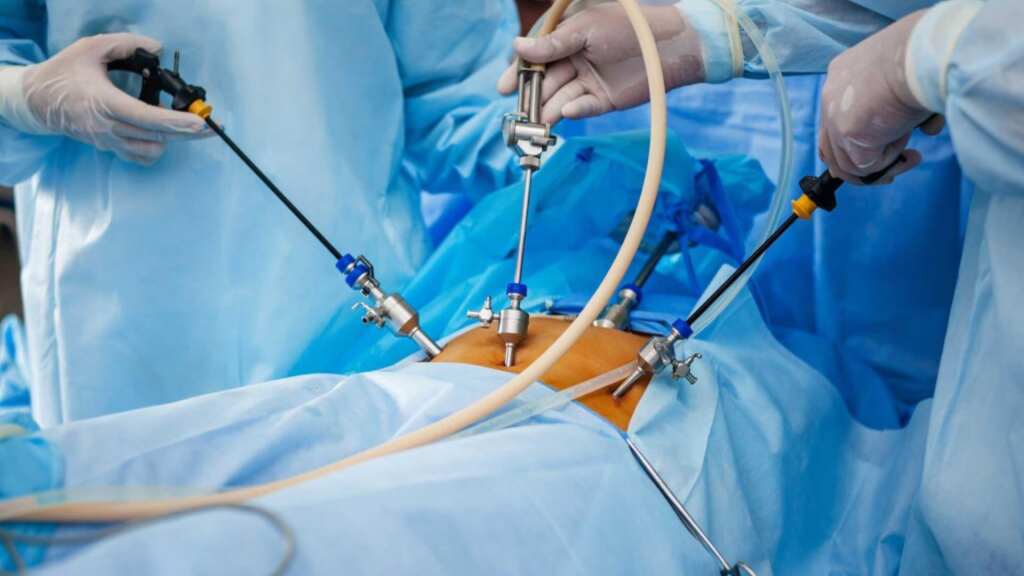
Laparoscopic surgery
Vaccination plays a crucial role in maintaining and promoting overall health, particularly for women, as it helps prevent a wide range of infectious diseases that can impact fertility, pregnancy, and general well-being. In addition to the routine vaccinations required for the general population, women may need specific vaccines to address risks that are more pertinent to their unique health concerns. Here’s an overview of vaccination guidance for women’s health across different life stages.
1. Routine Vaccinations for All Women
These vaccines are recommended for all women regardless of age, unless contraindicated due to medical conditions or pregnancy status.
Influenza (Flu) Vaccine
Recommended for: All women, especially those who are pregnant or planning to become pregnant.
Why it’s important: Pregnant women are at an increased risk of severe complications from the flu, including hospitalization and even death. The flu vaccine is safe and recommended during any trimester of pregnancy.
Frequency: Annually, especially during flu season (typically from October to May).
Tetanus, Diphtheria, and Pertussis (Tdap) Vaccine
Recommended for: All women, especially those who are pregnant.
Why it’s important: The Tdap vaccine protects against pertussis (whooping cough), which can be dangerous for newborns. It’s recommended during each pregnancy, ideally between 27 and 36 weeks of gestation, to protect the baby.
Frequency: Once during each pregnancy.
Human Papillomavirus (HPV) Vaccine
Recommended for: All women up to age 26 who have not been vaccinated previously. The vaccine is also recommended for women up to age 45 who are at risk for HPV-related diseases.
Why it’s important: HPV is the leading cause of cervical cancer. Vaccination can prevent the majority of HPV infections that cause cervical and other types of cancer (e.g., anal, throat, vulvar, and vaginal cancers).
Frequency: Typically a series of two or three doses, depending on the age at which the vaccination begins.
2. Vaccines for Women During Pregnancy
Pregnancy creates specific health risks that can be mitigated by certain vaccines. Pregnant women are more vulnerable to infections and complications that could harm both mother and child. Here’s a closer look at the vaccines recommended during pregnancy:
Flu Vaccine (Influenza)
Why it’s important: Pregnant women are more likely to experience severe complications from the flu, including pneumonia, which can lead to preterm labor, miscarriage, or other serious outcomes.
Timing: Administered during flu season, regardless of the stage of pregnancy.
Tdap (Tetanus, Diphtheria, and Pertussis) Vaccine
Why it’s important: Pertussis is particularly dangerous for newborns and can lead to life-threatening respiratory complications. Vaccinating the mother during pregnancy helps protect the baby until they are old enough to receive their own vaccination.
Timing: Ideally administered between 27 and 36 weeks of pregnancy.
Hepatitis B Vaccine
Why it’s important: Hepatitis B can be transmitted from mother to child during childbirth. Women who are at risk of contracting hepatitis B should receive this vaccine before or during pregnancy.
Timing: Ideally before pregnancy, but can be administered during pregnancy if necessary.
COVID-19 Vaccine
Why it’s important: Pregnant women are at an increased risk for severe illness from COVID-19. Vaccination reduces the risk of hospitalization, severe disease, and complications.
Timing: Any time during pregnancy. Pregnant women are encouraged to get vaccinated, especially during the second and third trimesters.
3. Vaccinations for Women at Different Life Stages
Women’s health needs evolve over the course of their lives, and different vaccines are recommended at different ages.
Adolescent Girls (Age 11-18)
HPV Vaccine: Given at 11 or 12 years old to prevent HPV infection and reduce the risk of cervical and other cancers.
Meningococcal Vaccine: Especially for teens going to college or staying in dorms to prevent meningitis.
Tetanus, Diphtheria, and Pertussis (Tdap) Vaccine: A booster dose is typically given at age 11 or 12.
Women in Their 20s and 30s
HPV Vaccine: Can be given to women up to age 26 if not already vaccinated.
Influenza (Flu) Vaccine: Especially important for women who are planning to become pregnant or who are in close contact with children or at-risk populations.
Meningococcal Vaccine: If the woman is planning to attend college, particularly in dormitory settings, or if she is at risk due to certain conditions.
Women in Their 40s and 50s
Shingles Vaccine: Women over 50 should receive the shingles vaccine to protect against the herpes zoster virus, which causes shingles. Shingles can be painful and lead to lasting nerve pain.
Mammograms and Pap Smears: Regular screenings for breast cancer and cervical cancer are important in this age group.
Tetanus, Diphtheria, and Pertussis (Tdap) Vaccine: Booster shots every 10 years.
Women Over 60
Shingles Vaccine: Two doses of the shingles vaccine (Shingrix) are recommended for all adults over 50.
Pneumococcal Vaccine: For women aged 65 and older, the pneumococcal vaccine is recommended to protect against pneumonia and other infections caused by pneumococcus bacteria.
Annual Flu Vaccine: An important preventative measure to protect older women who are at higher risk of complications from the flu.
Bone Density Testing: As women approach menopause, osteoporosis screenings become more important to prevent fractures and bone loss.
4. Travel Vaccinations for Women
Women who travel to different parts of the world, especially developing countries, should check with their healthcare provider about any necessary vaccinations before departure. Vaccines to consider include:
Typhoid Vaccine
Hepatitis A and B
Yellow Fever Vaccine
Malaria Prophylaxis (if traveling to malaria-prone regions)
5. Vaccination During Menopause
While most vaccines are administered earlier in life, some women may still benefit from certain vaccines during or after menopause. These include:
Shingles Vaccine (Shingrix): Recommended for women aged 50 and above, particularly those who have had chickenpox.
Pneumococcal Vaccine: For women over 65 or those with chronic health conditions.
Conclusion
Vaccinations are an essential part of maintaining women’s health at every stage of life. From protecting against infectious diseases like HPV, flu, and pertussis to addressing the unique needs during pregnancy and beyond, vaccines provide a crucial line of defense against serious health complications. Women should regularly consult with their healthcare provider to stay up-to-date with the necessary vaccinations and ensure optimal health throughout
Empower
Your Health, Your Power
Prevention begins with awareness. By choosing proactive care, you’re taking charge of your health today—for a stronger, healthier tomorrow.