
Services
Robotic Surgery
Specialized Treatments Offered
In vitro fertilization (IVF)
Intrauterine insemination (IUI)
Laparoscopic surgery
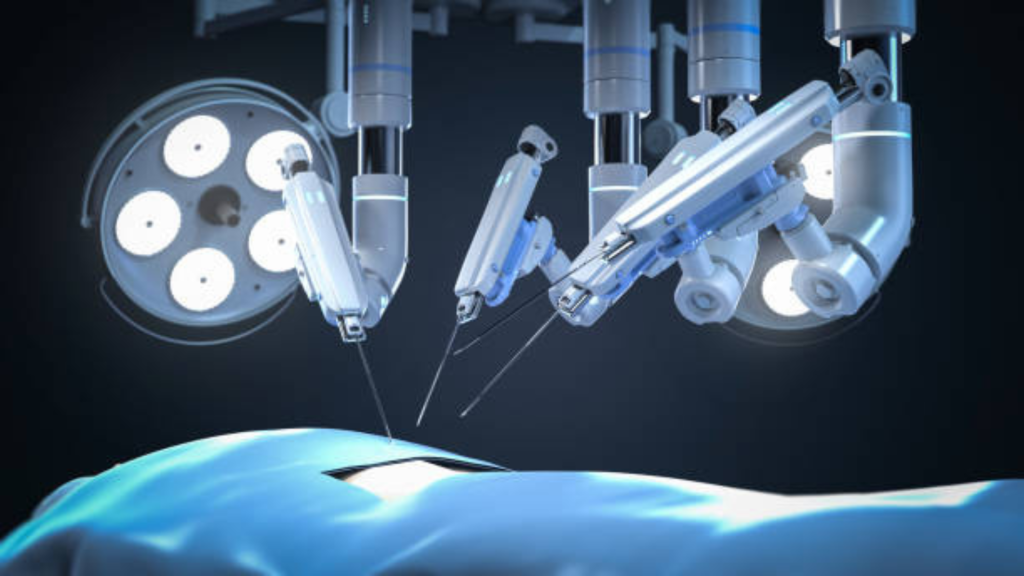
Robotic surgery, also known as robot-assisted surgery, is a form of minimally invasive surgery where doctors use robotic systems to perform complex procedures with enhanced precision, flexibility, and control. Rather than performing surgery with their own hands, surgeons use a console to control robotic arms that carry out the actual operation.
Robotic surgery is typically performed using systems like the da Vinci Surgical System, which is the most commonly used robotic platform worldwide.
Why Robotic Surgery?
Robotic-assisted surgery is used when high precision is needed and minimal tissue damage is desired. It is commonly used in:
Gynecological procedures (e.g., hysterectomy, myomectomy, endometriosis treatment)
Urological surgeries (e.g., prostatectomy, kidney surgery)
General surgery (e.g., gallbladder removal, hernia repair)
Cardiothoracic surgery
Colorectal surgery
Bariatric (weight loss) surgery
Cancer surgeries (e.g., for prostate, cervix, uterus, colon)
How Robotic Surgery Works
Surgeon Console: The surgeon sits at a console near the patient and views a high-definition, 3D image of the surgical site.
Robotic Arms: The robot has multiple arms equipped with tiny surgical instruments that mimic the surgeon’s hand movements but with greater accuracy and no hand tremors.
Camera Arm: One arm carries a 3D camera that provides a magnified view of the inside of the body.
Precise Control: The surgeon controls the arms via hand controls and foot pedals. The robotic system scales, filters, and translates the movements in real time.
Benefits of Robotic Surgery
Robotic-assisted procedures provide multiple advantages over traditional and even standard laparoscopic surgeries:
For the Patient:
Smaller incisions – leads to minimal scarring
Less blood loss – reduces the need for transfusions
Reduced postoperative pain – quicker recovery and less medication
Lower risk of infection
Shorter hospital stay
Faster return to normal life and work
Better cosmetic outcomes
For the Surgeon:
Greater precision and control
Tremor filtration
High-definition 3D visualization
Better access to hard-to-reach areas
Ergonomic comfort during long procedures
Common Procedures Using Robotic Surgery
Robotic Hysterectomy
Robotic Myomectomy (removal of fibroids)
Robotic Endometriosis Resection
Robotic Prostatectomy
Robotic Hernia Repair
Robotic Colon Resection
Robotic Gastric Bypass
Robotic Nephrectomy (kidney removal)
Risks and Complications
While robotic surgery is safe and effective, it carries some risks similar to other surgical procedures:
Bleeding
Infection
Injury to nearby organs
Anesthesia-related risks
Possibility of switching to open surgery if complications occur
Technical issues (rare but possible)
Recovery After Robotic Surgery
Hospital Stay: Often reduced to 1–2 days or even same-day discharge
Pain Management: Less need for strong painkillers
Activity: Light activity can usually begin within 24–48 hours
Return to work: Often within 1–2 weeks depending on the procedure
Follow-up: Usually done 1–2 weeks after surgery to ensure healing
Is Robotic Surgery Right for You?
Robotic surgery is not suitable for every patient. Your doctor may recommend it if:
You require a complex procedure that demands high precision
You prefer a minimally invasive approach for faster recovery
You are a good candidate for laparoscopic or keyhole surgery
A detailed consultation will determine whether robotic surgery is the best option for your condition.
Conclusion
Robotic surgery represents the future of surgical care, combining human expertise with cutting-edge technology. It offers unmatched precision, smaller scars, less pain, and faster recovery. However, success depends heavily on the surgeon’s expertise, so it’s important to choose a qualified and experienced team.
Empower
Your Health, Your Power
Prevention begins with awareness. By choosing proactive care, you’re taking charge of your health today—for a stronger, healthier tomorrow.