
Services
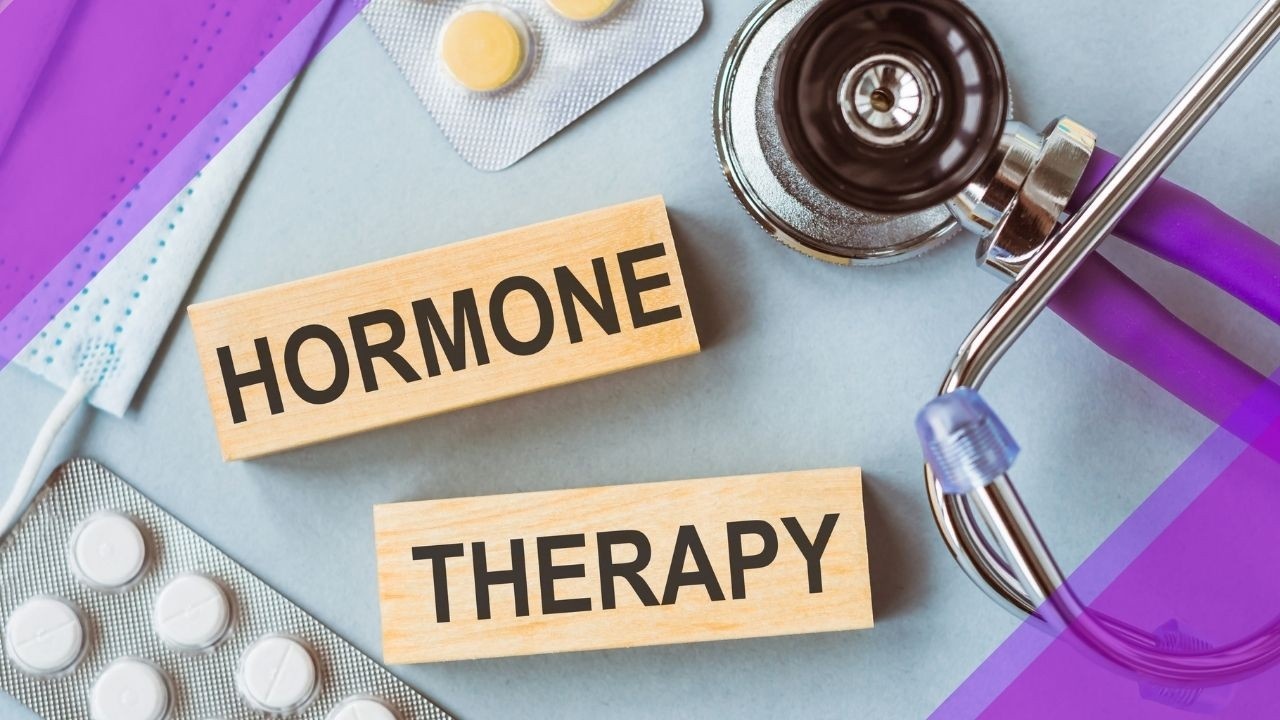
Menopause Support & Hormone Therapy
Specialized Treatments Offered
In vitro fertilization (IVF)
Intrauterine insemination (IUI)
Laparoscopic surgery
Menopause is a natural biological process that marks the end of a woman’s reproductive years, typically occurring between the ages of 45 and 55. It is defined as the absence of menstrual periods for 12 consecutive months. While menopause is a natural phase, the hormonal changes involved can lead to a variety of physical and emotional symptoms that may affect daily life.
Hormone therapy and supportive care can significantly improve a woman’s quality of life during this transition.
Common Symptoms of Menopause
Hot flashes and night sweats
Mood swings, anxiety, or depression
Vaginal dryness and discomfort during intercourse
Irregular or heavy periods before cessation
Sleep disturbances and fatigue
Memory issues or trouble concentrating
Decreased libido
Weight gain, especially around the abdomen
Thinning of hair and dry skin
Bone loss or increased risk of osteoporosis
What Is Hormone Replacement Therapy (HRT)?
Hormone Replacement Therapy (HRT) involves supplementing the estrogen and/or progesterone that the body stops producing after menopause. It is one of the most effective treatments for relieving menopausal symptoms.
There are different types of HRT:
Estrogen-only therapy – for women who have had a hysterectomy
Combined estrogen and progesterone therapy – for women who still have their uterus
Local estrogen (vaginal creams, rings, tablets) – for vaginal dryness and discomfort
Benefits of Hormone Therapy
Reduces hot flashes and night sweats
Improves mood, sleep, and concentration
Prevents bone loss and reduces risk of fractures
Helps maintain youthful skin and hair texture
Enhances vaginal lubrication and sexual comfort
May reduce the risk of colon cancer
Risks and Considerations
Hormone therapy is not suitable for everyone. Risks may include:
Blood clots
Stroke
Breast cancer (with long-term use)
Heart disease (in some women)
A detailed medical evaluation is required before starting HRT. The lowest effective dose for the shortest duration is typically recommended.
Alternatives to Hormone Therapy
If hormone therapy is not appropriate, other options include:
Non-hormonal medications for hot flashes (e.g., SSRIs, gabapentin)
Herbal supplements (under supervision)
Vaginal moisturizers and lubricants
Lifestyle modifications (diet, exercise, stress management)
Cognitive-behavioral therapy (CBT) for mood-related symptoms
Our Approach to Menopause Support
At our clinic, we offer:
✅ Comprehensive menopause evaluation
✅ Personalized hormone therapy plans
✅ Regular monitoring for safety and effectiveness
✅ Natural and lifestyle-based solutions
✅ Nutritional guidance and bone health support
✅ Emotional and mental wellness counseling
When to Seek Help
You should consult a gynecologist if:
Menopausal symptoms are affecting your daily life
You experience early menopause (before age 40)
You’ve had a hysterectomy and want hormone guidance
You’re unsure if HRT is right for you
Conclusion
Menopause doesn’t have to disrupt your life. With the right support, hormone therapy, and lifestyle adjustments, women can experience a smooth and healthy transition. Our goal is to help you maintain balance, comfort, and vitality during and after menopause.
Empower
Your Health, Your Power
Prevention begins with awareness. By choosing proactive care, you’re taking charge of your health today—for a stronger, healthier tomorrow.