
Services
Laparoscopic Surgery
Specialized Treatments Offered
In vitro fertilization (IVF)
Intrauterine insemination (IUI)
Laparoscopic surgery
Laparoscopic surgery, also known as minimally invasive or keyhole surgery, is a modern surgical technique where operations in the abdomen or pelvis are performed through small incisions (usually 0.5–1.5 cm) using a specialized instrument called a laparoscope. A laparoscope is a thin tube with a camera and light at the end that sends images to a video monitor, allowing the surgeon to see inside the body without making large cuts.
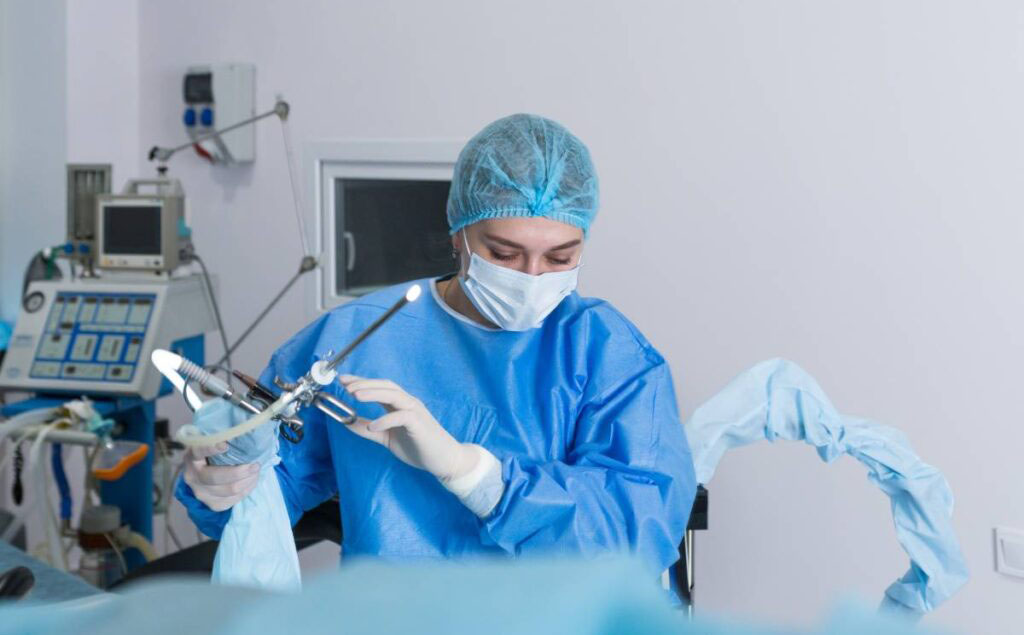
Reasons for Laparoscopic Surgery
Laparoscopic surgery is commonly used to diagnose and treat a wide range of conditions, especially when less invasive options are preferred. Common reasons include:
Gallbladder removal (Cholecystectomy)
Appendix removal (Appendectomy)
Hernia repairs
Gynecological procedures (e.g., hysterectomy, ovarian cyst removal, treatment of endometriosis)
Bariatric surgery (weight loss surgeries like gastric bypass or sleeve gastrectomy)
Colorectal surgery (e.g., removal of parts of the colon or rectum)
Biopsy of abdominal organs
Treatment of ectopic pregnancy
Types of Laparoscopic Surgery
Diagnostic Laparoscopy
Performed when imaging tests (like ultrasound or CT scans) are inconclusive.
Helps identify causes of chronic abdominal or pelvic pain, infertility, or unexplained bleeding.
Operative Laparoscopy
Used not just for diagnosis but also for treating conditions, such as removing cysts, fibroids, or performing surgeries on organs like the gallbladder, appendix, or uterus.
Single-Incision Laparoscopic Surgery (SILS)
A newer technique where the entire surgery is performed through one small incision, often in the belly button.
Cosmetic advantage: almost scarless.
Robotic-Assisted Laparoscopy
Involves the use of robotic instruments for improved precision, especially in urology, gynecology, and colorectal surgeries.
Benefits of Laparoscopic Surgery
Compared to traditional open surgery, laparoscopic surgery offers several advantages:
Smaller Incisions
Less trauma to the body and better cosmetic results (minimal scarring).
Faster Recovery
Most patients go home the same day or within 24–48 hours.
Return to normal activities often within 1–2 weeks.
Less Pain
Smaller wounds result in reduced postoperative pain and less need for pain medications.
Lower Risk of Infection
Small incisions reduce exposure to external contaminants.
Minimal Blood Loss
Precision instruments and controlled visibility reduce bleeding during the procedure.
Shorter Hospital Stay
Often performed as day-care or outpatient procedures.
Possible Complications of Laparoscopic Surgery
Although generally safe, laparoscopic surgery may have some risks:
Bleeding
Infection at the incision sites
Injury to internal organs (e.g., bladder, bowel, or blood vessels)
Hernia at the incision site
Reactions to anesthesia
Shoulder pain (due to CO₂ gas used to inflate the abdomen)
Conversion to open surgery if complications arise or visibility is poor
Recovery After Laparoscopic Surgery
Hospital Stay: Most patients are discharged within a few hours to a day.
Post-op Care:
Mild pain or discomfort around the incisions.
Nausea or bloating may occur due to CO₂ gas.
Resume light activities within 2–3 days.
Avoid heavy lifting or strenuous exercise for a few weeks.
Wound Care: Keep incisions clean and dry; follow instructions for dressing changes if needed.
Follow-up: Usually within 1–2 weeks after surgery to check healing.
Empower
Your Health, Your Power
Prevention begins with awareness. By choosing proactive care, you’re taking charge of your health today—for a stronger, healthier tomorrow.