
Services
Intrauterine Insemination (IUI)
Specialized Treatments Offered
In vitro fertilization (IVF)
Intrauterine insemination (IUI)
Laparoscopic surgery
Intrauterine Insemination (IUI) is a simple and commonly used fertility treatment that helps couples facing infertility. It involves placing sperm directly into a woman’s uterus around the time of ovulation to increase the chances of fertilization. IUI is often used for couples who have unexplained infertility, mild male infertility, or other fertility issues.
1. What is IUI?
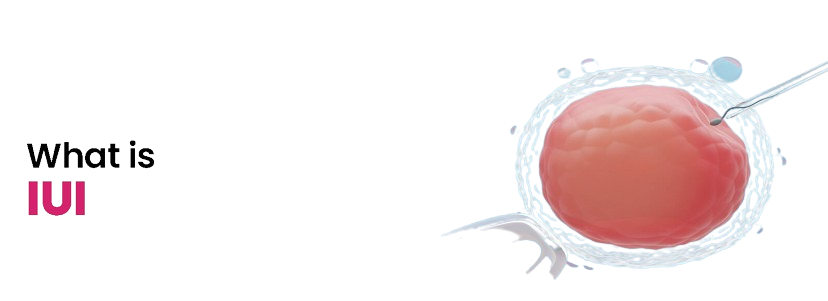
IUI is a procedure where sperm is collected, processed, and then inserted directly into a woman’s uterus during ovulation. By placing the sperm closer to the egg, IUI bypasses some barriers in the reproductive system (like the cervix or fallopian tubes) that may prevent successful conception.
2. Indications for IUI
IUI is recommended for individuals or couples who experience the following conditions:
Male Infertility Factors:
Low sperm count (oligospermia)
Poor sperm motility (astenozoospermia)
Mild abnormalities in sperm morphology (teratozoospermia)
Female Infertility Factors:
Unexplained infertility (when no specific cause can be identified)
Irregular ovulation (for example, in women with PCOS)
Endometriosis (mild to moderate)
Cervical mucus problems (in cases where cervical mucus is hostile to sperm)
Same-Sex Couples and Single Women: IUI can also be used for women who want to conceive using donor sperm.
3. How Does IUI Work?
The IUI process generally involves the following steps:
Step 1: Ovulation Monitoring
Purpose: To determine the best time to perform the IUI procedure, as sperm should be placed in the uterus during ovulation.
How it’s Done: A fertility specialist may use ultrasound scans, blood tests, or both to track the development of the eggs in the ovaries and predict ovulation.
Step 2: Ovarian Stimulation (Optional)
Purpose: To enhance the chances of successful fertilization by encouraging the ovaries to produce one or more mature eggs.
Medications: Fertility drugs (such as Clomid, letrozole, or gonadotropins) are commonly prescribed to stimulate the ovaries. This is often done if ovulation is irregular or if there’s a need to increase the number of eggs released.
Step 3: Sperm Collection and Preparation
Sperm Collection: The male partner provides a sperm sample, typically on the day of the IUI procedure. Donor sperm can also be used if required.
Sperm Processing: The sperm is then “washed” in the laboratory to separate healthy, motile sperm from the semen. This process removes excess fluids, debris, and non-motile sperm, leaving only the healthiest sperm for the procedure.
Step 4: Insemination Procedure
Procedure: The prepared sperm is placed directly into the uterus using a thin, flexible catheter. This is done through the cervix (the opening to the uterus) during the woman’s fertile window.
Timing: The IUI procedure is usually performed 24 to 36 hours after ovulation has been triggered or predicted.
Pain Level: IUI is generally painless, though some women may experience mild cramping during or after the procedure.
Step 5: Post-IUI Monitoring
Hormonal Support: After the IUI procedure, some women may be prescribed progesterone to help support the uterine lining and encourage embryo implantation.
Pregnancy Test: A pregnancy test is typically conducted 14 days after the procedure to determine if the treatment was successful.
4. Success Rates of IUI
The success rates of IUI depend on various factors, including:
Age of the Woman: Women under 35 generally have higher success rates with IUI. Success rates decline as women age, especially after 40.
Sperm Quality: The health and quantity of sperm from the male partner or sperm donor can significantly affect success rates.
Ovulation Regularity: Women with regular ovulation tend to have better outcomes with IUI.
Cause of Infertility: Couples with unexplained infertility or mild male factor infertility tend to have higher success rates with IUI.
Typically, the success rate per cycle ranges from 10% to 20% depending on the above factors. Success rates are higher with multiple cycles or when combined with ovulation induction medications.
5. Risks and Complications of IUI
While IUI is considered a safe and minimally invasive procedure, there are some risks and potential complications, including:
Multiple Pregnancies: If ovulation-stimulating medications are used, there is a higher chance of releasing more than one egg, which can result in twins or higher-order multiples.
Ovarian Hyperstimulation Syndrome (OHSS): This condition can occur if too many eggs are stimulated by fertility medications. It may cause swollen ovaries and discomfort.
Infections: While rare, there is a small risk of infection after the IUI procedure.
Emotional Stress: IVF can be emotionally and physically taxing, and multiple cycles may be needed to achieve success.
6. Alternatives to IUI
If IUI is not successful or not recommended, other fertility treatments include:
In Vitro Fertilization (IVF): A more advanced fertility treatment where eggs are fertilized outside the body and then implanted into the uterus.
Egg/Sperm Donation: For women or men who have issues with their eggs or sperm, donor eggs or sperm may be used for conception.
Surrogacy: A woman carries the pregnancy for another couple or individual using their sperm and eggs or donor sperm and eggs.
7. IUI vs IVF: Key Differences
| Aspect | IUI | IVF |
|---|---|---|
| Invasiveness | Minimally invasive (no surgery required). | Involves more procedures (egg retrieval, embryo transfer). |
| Procedure Duration | Shorter (takes minutes). | Longer (spans weeks due to stimulation, retrieval, and transfer). |
| Cost | Less expensive than IVF. | More expensive due to complex procedures and medications. |
| Success Rates | Moderate success rates per cycle (10-20%). | Higher success rates, especially for women under 35. |
| Indications | Male infertility, mild female infertility, unexplained infertility. | More severe infertility, blocked fallopian tubes, severe male infertility, or genetic screening needed. |
8. Conclusion
Intrauterine insemination (IUI) is a relatively simple, less invasive fertility treatment that can be highly effective for certain infertility issues. It is often the first-line treatment for couples experiencing mild infertility problems. While it has moderate success rates, IUI is a good option for those who want to avoid more complex treatments like IVF or for those who have been unsuccessful with less invasive methods.
If you’re considering IUI or have been advised to undergo the procedure, it’s important to consult with a fertility specialist who can guide you through the process and help you determine the best course of treatment for your individual needs.
Empower
Your Health, Your Power
Prevention begins with awareness. By choosing proactive care, you’re taking charge of your health today—for a stronger, healthier tomorrow.