
Services
HPV Detection and Risk Testing
Specialized Treatments Offered
In vitro fertilization (IVF)
Intrauterine insemination (IUI)
Laparoscopic surgery
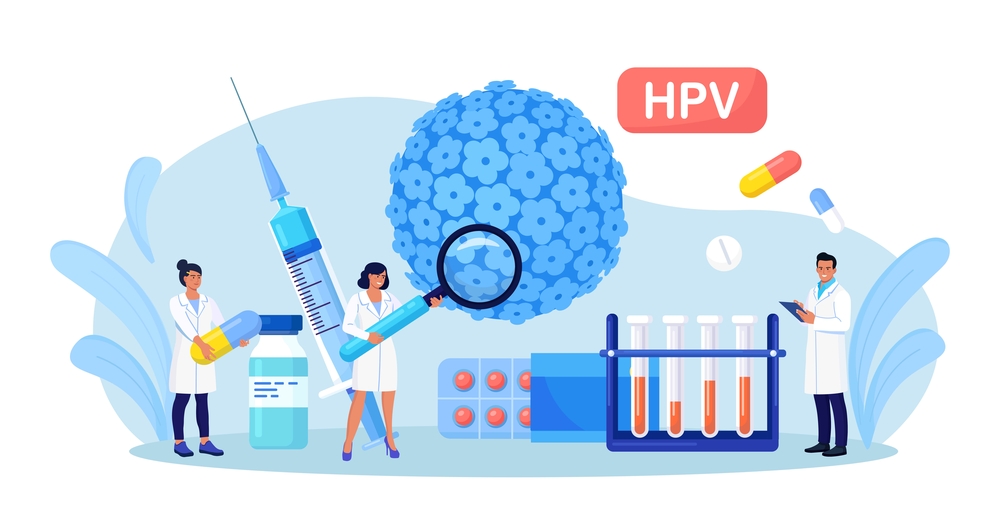
Human Papillomavirus (HPV) is a group of more than 200 related viruses, some of which can lead to cervical cancer and other types of cancer. HPV detection through screening tests is vital for identifying high-risk strains that may cause abnormal cell changes in the cervix, ultimately preventing cervical cancer through early detection.
What is HPV?
HPV is a sexually transmitted infection (STI) that affects the skin and mucous membranes.
Low-risk HPV strains can cause genital warts, while high-risk HPV strains (such as types 16 and 18) are responsible for causing abnormal cell changes that can lead to cervical cancer over time.
Why is HPV Testing Important?
Detects high-risk HPV types: HPV testing helps identify high-risk strains that are most likely to cause cervical cancer.
Early detection: HPV testing allows healthcare providers to detect potentially harmful strains before they cause cancerous changes.
Guides treatment: Identifying high-risk HPV strains helps in determining the best course of treatment, especially if there are precancerous cell changes or lesions.
How is HPV Detection Performed?
HPV DNA Test: This is the most common method of detecting HPV. It looks for the genetic material (DNA) of high-risk HPV types in a sample of cervical cells.
The test is often done along with a Pap smear or cervical screening.
Sample Collection: A healthcare provider collects cells from the cervix, just like a Pap smear, using a small brush or spatula.
The sample is sent to a laboratory, where the cells are tested for the presence of high-risk HPV strains.
HPV RNA Test: A more advanced test that detects active HPV infection by identifying the RNA (genetic material) of the virus, helping to assess whether HPV is actively causing changes in cervical cells.
Co-testing (Pap Smear + HPV Test): This combined test is often recommended for women aged 30 and older. It allows for a more comprehensive assessment, improving the sensitivity of cervical cancer screening.
Who Should Get HPV Testing?
Women Aged 30 and Older:
It is generally recommended that women aged 30 and over undergo both Pap smears and HPV testing every 5 years. If both tests are negative, they can continue screening every 5 years.
Women with Abnormal Pap Smear Results:
If a woman has an abnormal Pap smear result, HPV testing may be performed to assess whether high-risk HPV strains are present.
Women with a History of Cervical Cancer or Precancerous Cells:
Women who have had cervical cancer or abnormal Pap results in the past should continue HPV testing to monitor any recurrence or changes.
Women Under 30:
Routine HPV testing for women under 30 is generally not recommended unless there is an abnormal Pap smear. In this age group, the body often clears the infection naturally.
Risk Factors for High-Risk HPV Strains
Multiple sexual partners: The more sexual partners a person has, the higher the risk of contracting HPV.
Early sexual activity: Starting sexual activity at a young age increases the likelihood of exposure to HPV.
Weakened immune system: People with compromised immune systems (such as those with HIV or on immunosuppressive treatments) are more at risk.
Not having the HPV vaccine: The vaccine helps protect against high-risk HPV strains that cause cervical cancer.
Understanding HPV Test Results
Negative Result:
If the HPV test is negative, it means no high-risk HPV strains were found in the sample. This indicates that the patient is at low risk for cervical cancer at that time.
Positive Result:
A positive HPV test means that high-risk strains of HPV were detected. However, not all HPV infections will lead to cervical cancer. Further investigation (e.g., a colposcopy or biopsy) may be required to assess whether the infection is causing changes in the cervical cells.
Type-Specific Results:
The test may show which type of HPV is present. Types 16 and 18 are particularly concerning because they are associated with a higher risk of cancer development.
HPV Testing and Cervical Cancer Prevention
Prevention through Vaccination: The HPV vaccine is highly effective at preventing infection from the most common high-risk types of HPV. It is recommended for both girls and boys aged 11-12, but can be administered up to age 26 for those who have not been vaccinated.
Early Detection and Intervention: If high-risk HPV is detected, follow-up procedures like a colposcopy (a detailed examination of the cervix) or biopsy can determine whether there are abnormal cell changes (e.g., CIN, cervical intraepithelial neoplasia). Early intervention can prevent cancer from developing.
HPV and Other Cancers
While cervical cancer is the most common cancer associated with high-risk HPV, it is also linked to other cancers, including:
Anal cancer
Penile cancer
Oropharyngeal (throat) cancer
HPV-related cancers are preventable through early screening, vaccination, and monitoring of high-risk HPV infections.
Benefits of HPV Testing
Reduces cervical cancer risk: By detecting high-risk HPV types and treating any precancerous changes early, HPV testing significantly reduces the risk of developing cervical cancer.
Comprehensive screening: Combining HPV testing with a Pap smear increases the accuracy of detecting potential issues with the cervix.
Guides appropriate care: HPV testing helps doctors decide if further diagnostic tests or treatments, such as a colposcopy or biopsy, are necessary.
Conclusion
HPV detection through testing is a crucial tool in cervical cancer prevention. Regular testing helps identify high-risk HPV strains, and if detected early, appropriate follow-up care can prevent the development of cervical cancer. Speak to your healthcare provider about the best HPV screening schedule and whether HPV testing is right for you based on your age and medical history.
Empower
Your Health, Your Power
Prevention begins with awareness. By choosing proactive care, you’re taking charge of your health today—for a stronger, healthier tomorrow.