
Services
Hormonal Reproductive Endocrine Disorders
Specialized Treatments Offered
In vitro fertilization (IVF)
Intrauterine insemination (IUI)
Laparoscopic surgery
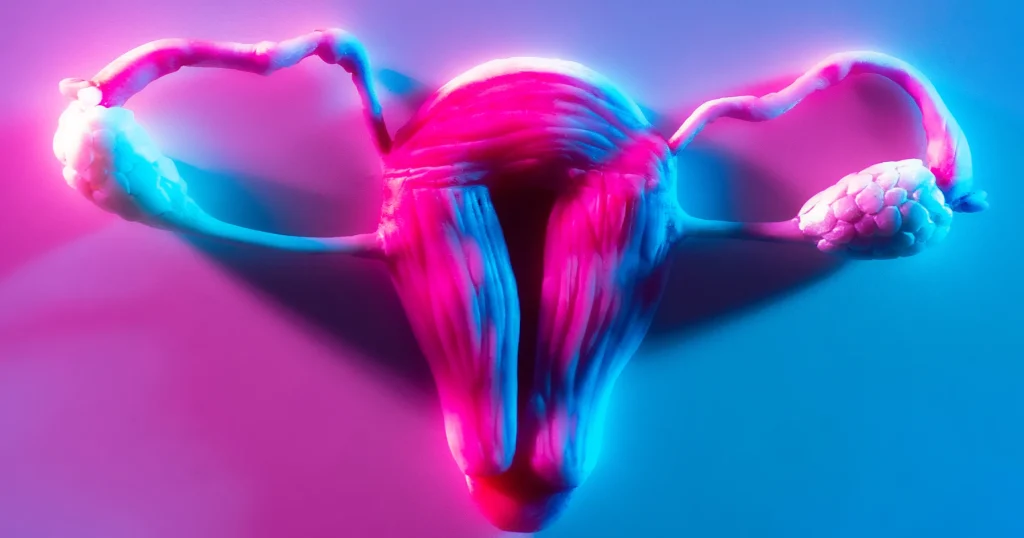
Hormonal reproductive endocrine disorders refer to a group of conditions where the balance of hormones that regulate the reproductive system is disrupted. These disorders can affect fertility, menstrual cycles, sexual health, and overall well-being. The reproductive endocrine system involves several glands and hormones that control key functions such as menstruation, ovulation, and pregnancy.
Key Hormones Involved in Reproductive Health
Estrogen: A primary female sex hormone responsible for the development of female sexual characteristics, regulation of the menstrual cycle, and maintenance of pregnancy.
Progesterone: A hormone that plays a crucial role in regulating the menstrual cycle, maintaining pregnancy, and supporting the implantation of a fertilized egg.
Follicle-Stimulating Hormone (FSH): Stimulates the growth of eggs in the ovaries and regulates the menstrual cycle.
Luteinizing Hormone (LH): Works with FSH to regulate ovulation (the release of an egg from the ovary).
Testosterone: A hormone found in both men and women but present in much higher levels in men, important for the development of sexual characteristics and libido.
Thyroid Hormones (T3 and T4): Regulate metabolism and influence the function of the reproductive system.
Prolactin: A hormone that stimulates milk production after childbirth but can affect the menstrual cycle when levels are abnormal.
Common Hormonal Reproductive Endocrine Disorders
Polycystic Ovary Syndrome (PCOS)
Cause: A common hormonal disorder that affects women of reproductive age, characterized by high levels of androgens (male hormones) and irregular or absent ovulation.
Symptoms:
Irregular periods or absence of periods
Ovulatory dysfunction leading to infertility
Excess hair growth (hirsutism), acne, and thinning hair
Enlarged ovaries with small cysts
Complications: Infertility, metabolic syndrome, diabetes, endometrial cancer risk.
Hypothyroidism (Underactive Thyroid)
Cause: An underactive thyroid gland produces insufficient thyroid hormones, which can affect the menstrual cycle and fertility.
Symptoms:
Irregular or heavy periods
Infertility
Fatigue, weight gain, depression
Decreased libido
Complications: Miscarriage, preterm birth, developmental problems in pregnancy.
Hyperthyroidism (Overactive Thyroid)
Cause: Overproduction of thyroid hormones can disrupt the menstrual cycle and cause fertility issues.
Symptoms:
Irregular or absent periods
Weight loss despite increased appetite
Increased heart rate, anxiety, and irritability
Heat intolerance
Complications: Increased risk of miscarriage, preterm birth, low birth weight.
Premature Ovarian Insufficiency (POI)
Cause: Also known as premature menopause, POI occurs when the ovaries stop functioning normally before the age of 40, leading to low estrogen levels and irregular periods.
Symptoms:
Irregular periods or complete cessation of periods
Hot flashes and night sweats
Infertility
Decreased libido
Complications: Infertility, osteoporosis, cardiovascular disease.
Endometriosis
Cause: A condition in which the tissue that normally lines the uterus grows outside the uterus, often causing hormonal imbalance and fertility issues.
Symptoms:
Painful periods (dysmenorrhea)
Chronic pelvic pain
Pain during intercourse
Infertility or difficulty conceiving
Complications: Scarring and adhesions, infertility, chronic pain, ovarian cysts.
Hyperprolactinemia
Cause: Elevated levels of prolactin (the milk-producing hormone) can cause menstrual irregularities and infertility.
Symptoms:
Irregular or absent periods
Galactorrhea (inappropriate milk production)
Infertility
Decreased libido
Complications: Infertility, bone loss (due to decreased estrogen), and in severe cases, pituitary tumors.
Cushing’s Syndrome
Cause: A condition caused by high levels of cortisol, often resulting from long-term use of corticosteroid medications or tumors of the adrenal glands or pituitary.
Symptoms:
Irregular periods or absence of menstruation
Weight gain, especially around the abdomen and face
Excessive hair growth
Acne and thinning skin
Complications: Infertility, diabetes, high blood pressure, osteoporosis.
Androgen Excess (Male Hormone Imbalance)
Cause: High levels of male hormones (androgens) such as testosterone can disrupt the normal menstrual cycle, often seen in conditions like PCOS.
Symptoms:
Excessive hair growth (hirsutism)
Acne
Deepening of the voice
Scalp hair thinning
Complications: Infertility, emotional distress, metabolic syndrome.
Diagnosis of Hormonal Reproductive Endocrine Disorders
Blood Tests: Hormone level testing, including tests for thyroid hormones, prolactin, FSH, LH, estrogen, and testosterone, can help diagnose various conditions.
Ultrasound: Pelvic ultrasound can be used to visualize the ovaries (in cases of PCOS or endometriosis) and to check for uterine or ovarian abnormalities.
Endometrial Biopsy: In cases of abnormal bleeding, an endometrial biopsy may be done to assess the uterine lining for abnormalities.
Laparoscopy: A minimally invasive surgical procedure used to diagnose and sometimes treat endometriosis or ovarian cysts.
Hysterosalpingography (HSG): An X-ray procedure that evaluates the uterus and fallopian tubes, often used for fertility assessment.
Treatment Options
Medications
Hormonal Birth Control: Used to regulate menstrual cycles, manage PCOS, and treat endometriosis.
Thyroid Hormone Replacement: For hypothyroidism or hyperthyroidism.
Metformin: Often used to treat PCOS by improving insulin sensitivity and reducing androgen levels.
Progestins or Estrogen Therapy: For managing heavy or irregular periods.
Clomiphene or Letrozole: Used for stimulating ovulation in women with infertility issues related to hormonal imbalances.
Dopamine Agonists (e.g., Bromocriptine): Used to treat hyperprolactinemia.
Gonadotropins: Fertility treatments that stimulate egg production.
Surgical Treatment
Ovarian Drilling: A surgical option for women with PCOS to induce ovulation by reducing the production of androgens.
Hysterectomy: In severe cases of endometriosis or uterine issues, removal of the uterus or ovaries may be necessary.
Removal of Tumors or Cysts: In cases of ovarian cysts, pituitary tumors (for hyperprolactinemia), or adrenal tumors (for Cushing’s syndrome).
Lifestyle and Dietary Changes
Weight Management: Achieving a healthy weight can help regulate hormones, especially in cases like PCOS.
Exercise: Regular physical activity can help balance hormones and improve reproductive health.
Diet: A balanced diet rich in vitamins and minerals supports overall hormone balance.
Fertility Treatments
Intrauterine Insemination (IUI): Can be used in cases of infertility related to hormonal imbalances.
In Vitro Fertilization (IVF): A fertility treatment option if other methods of conception are unsuccessful.
Prevention and Management
Early Screening: Regular gynecological check-ups and hormone testing can help detect hormonal imbalances early.
Maintain Healthy Lifestyle: Maintaining a balanced diet, regular exercise, and stress management can help in regulating hormonal levels.
Monitor Menstrual Cycles: Keeping track of menstrual cycles and reporting irregularities to a healthcare provider can help in early diagnosis.
Conclusion
Hormonal reproductive endocrine disorders can significantly affect a woman’s fertility and quality of life. With early detection and appropriate treatment, most conditions can be managed effectively. If you experience irregular menstrual cycles, unexplained weight changes, infertility, or other symptoms, consult a healthcare provider to evaluate your hormonal health and explore potential treatment options.
Empower
Your Health, Your Power
Prevention begins with awareness. By choosing proactive care, you’re taking charge of your health today—for a stronger, healthier tomorrow.