
Services
Cervical Cancer Screening: Pap Smear
Specialized Treatments Offered
In vitro fertilization (IVF)
Intrauterine insemination (IUI)
Laparoscopic surgery
Cervical cancer is one of the most preventable types of cancer, primarily through regular screenings like the Pap smear. This simple, cost-effective test can help detect early changes in the cervix that could lead to cancer, allowing for timely intervention and treatment.
What Is a Pap Smear?
A Pap smear (also known as a Pap test) is a procedure used to screen for cervical cancer and detect abnormal cells on the cervix that could potentially develop into cancer over time.
The cervix is the lower part of the uterus that opens into the vagina.
The Pap smear involves collecting cells from the cervix to be examined under a microscope.
Why Is a Pap Smear Important?
Detects abnormal cells early: The test can identify changes in cervical cells before they turn cancerous.
Prevents cervical cancer: By detecting precancerous changes (such as CIN or Cervical Intraepithelial Neoplasia), doctors can provide treatments that prevent cancer.
Routine screening saves lives: Early detection increases the chances of successful treatment and survival.
Who Should Have a Pap Smear?
Women aged 21 to 65 should have a Pap smear as part of their routine gynecologic exams.
Frequency of screening depends on age and previous results:
Ages 21-29: Every 3 years.
Ages 30-65: Every 3 years with Pap smear alone or every 5 years with HPV (Human Papillomavirus) testing combined with Pap smear.
After age 65, screening may be discontinued if there have been 3 consecutive negative tests or 2 negative HPV tests in the last 10 years.
How Is a Pap Smear Performed?
Preparation: The patient lies on an exam table with legs in stirrups. The doctor or nurse will insert a speculum into the vagina to widen it and allow access to the cervix.
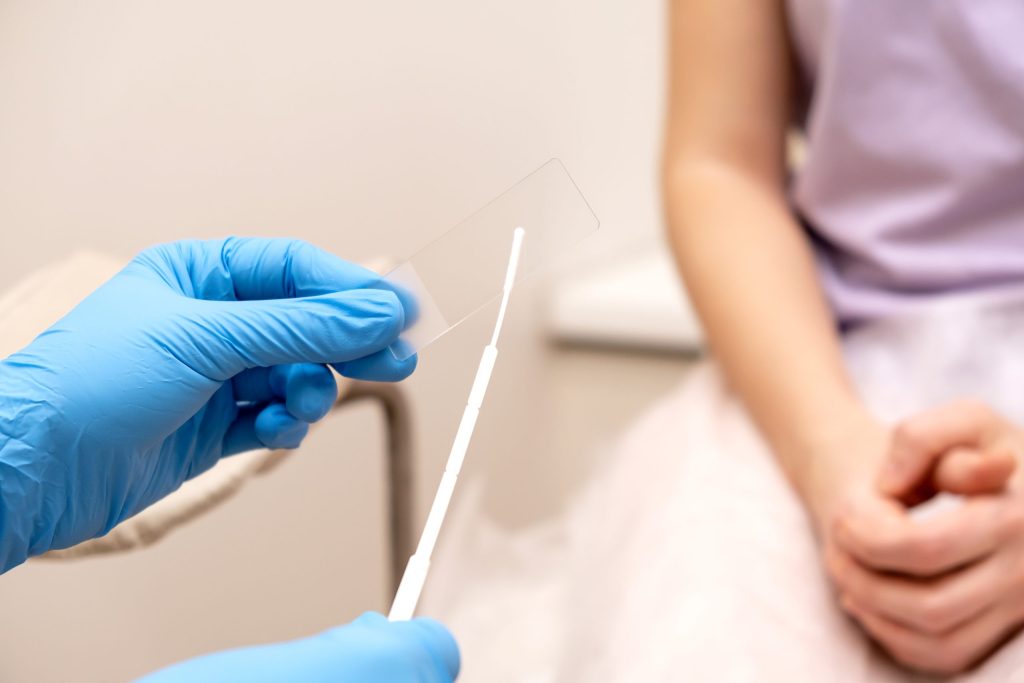
Cell Collection: A small brush or spatula is used to gently scrape cells from the cervix.
Testing: The collected cells are sent to a lab where they are examined under a microscope to check for abnormal or precancerous changes.
What to Expect During and After the Test?
During the test: You may feel some discomfort or pressure, but the procedure is quick and usually lasts only a few minutes.
After the test:
You may experience mild spotting or light bleeding after the procedure.
Cramping or slight discomfort can occur but usually resolves within a few hours.
You can resume normal activities immediately after the test.
What Happens If Abnormal Cells Are Found?
If the Pap smear results show abnormal cells, further tests or procedures may be needed:
HPV testing to check for high-risk types of HPV that cause cervical cancer.
Colposcopy: A procedure where the doctor examines the cervix more closely using a special magnifying instrument.
Biopsy: Removal of a small tissue sample from the cervix for further testing.
Most abnormal results are not cancerous but indicate the presence of precancerous changes that can be treated effectively.
HPV and Pap Smear
The Pap smear is often combined with HPV testing in women aged 30 and older to increase accuracy:
HPV testing identifies high-risk strains of the virus that are most likely to cause cervical cancer.
If both the Pap smear and HPV test are negative, screening can be done every 5 years instead of 3.
Benefits of Regular Pap Smears
Early Detection: Identifies early cell changes before they become cancer.
Prevention: Allows for treatments to remove abnormal cells before cancer develops.
Decreases cervical cancer rates: Routine screening has significantly lowered cervical cancer rates in countries with effective screening programs.
Who Should Not Get a Pap Smear?
Women who have had a hysterectomy (removal of the uterus and cervix) for non-cancerous reasons may not need Pap smears. However, those who had the surgery due to cancer or pre-cancer should continue regular screening.
Women under 21 do not need Pap smears as cervical cancer is rare in this age group.
When to Schedule a Pap Smear?
You should have a Pap smear as part of your annual gynecologic exam or as recommended by your healthcare provider. Make it a routine part of maintaining good gynecological health and cervical cancer prevention.
Takeaway
The Pap smear is a vital tool in preventing and detecting cervical cancer early. Regular screening, combined with HPV testing, ensures you stay ahead in your fight against cancer. Speak with your healthcare provider about the best screening schedule based on your personal health history and age.
Empower
Your Health, Your Power
Prevention begins with awareness. By choosing proactive care, you’re taking charge of your health today—for a stronger, healthier tomorrow.