
Services
Preconception Health Planning Consultation
Specialized Treatments Offered
In vitro fertilization (IVF)
Intrauterine insemination (IUI)
Laparoscopic surgery
A preconception health planning consultation is a proactive approach to ensuring that a woman’s physical, emotional, and medical health is optimized before she becomes pregnant. The goal is to address any underlying health issues, improve lifestyle factors, and ensure that the body is fully prepared for a healthy pregnancy. Preconception care helps reduce the risk of complications during pregnancy and improves overall outcomes for both the mother and the baby.
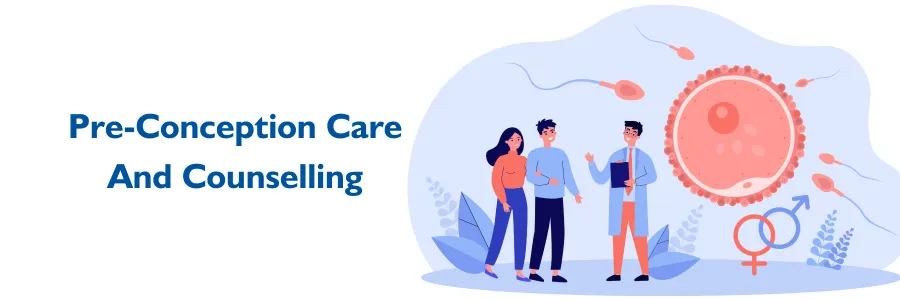
Importance of Preconception Health Planning
Preconception health planning allows women to optimize their health before conception. It involves reviewing medical history, lifestyle factors, nutrition, and health risks. The consultation helps identify potential problems that could affect pregnancy and provides guidance on managing these issues. Early planning can significantly improve maternal and fetal health, reducing the risk of complications such as birth defects, preterm birth, gestational diabetes, and high blood pressure.
Key Components of Preconception Health Planning Consultation
1. Comprehensive Health Assessment
Medical History Review: Discuss any pre-existing medical conditions such as diabetes, hypertension, thyroid disorders, or any chronic illness. Past surgeries or conditions like endometriosis, fibroids, or PCOS (Polycystic Ovary Syndrome) should be assessed.
Family History: Understanding family health history, including genetic disorders, hereditary conditions, or pregnancy complications (e.g., preeclampsia, preterm birth), to assess risks.
Gynecological History: Discuss previous pregnancies, menstrual cycle patterns, contraceptive use, and any gynecological surgeries or conditions.
2. Physical Health Evaluation
Body Mass Index (BMI): BMI can indicate potential risks associated with being underweight or overweight, such as gestational diabetes, preeclampsia, or difficulties with conception.
General Health Screening: This includes blood tests to check for anemia, infections, kidney function, liver function, and vitamin deficiencies, as well as blood pressure and cholesterol levels.
Vaccination Status: Ensure that all necessary vaccinations are up-to-date, especially rubella, varicella, hepatitis B, and flu shots. Some vaccines, like the MMR (measles, mumps, rubella) vaccine, should be taken before pregnancy to prevent complications.
3. Genetic Counseling and Screening
Genetic Testing: If there are concerns regarding inherited conditions in the family or genetic history, screening for conditions like sickle cell anemia, cystic fibrosis, Tay-Sachs, or hemophilia can be beneficial.
Carrier Screening: This identifies whether one or both partners carry genes for inherited conditions that may affect their future children.
Chromosomal Abnormalities: For women over 35 or with a family history of genetic conditions, preconception counseling may include testing for conditions such as Down syndrome.
4. Lifestyle Assessment and Modifications
Diet and Nutrition: Discuss a balanced, nutrient-rich diet that supports fertility and pregnancy. Key nutrients include folic acid (to prevent neural tube defects), iron (to prevent anemia), and calcium (for bone health). Women are encouraged to eat a varied diet with plenty of fruits, vegetables, lean proteins, and whole grains.
Exercise: Engage in moderate physical activity to improve overall health and maintain a healthy weight. Activities like walking, swimming, or yoga can prepare the body for pregnancy and labor.
Smoking, Alcohol, and Drug Use: Women are encouraged to quit smoking, limit alcohol consumption, and avoid recreational drugs. These substances can significantly affect fertility, pregnancy, and fetal development.
Caffeine Intake: Women should reduce their caffeine intake, as high levels of caffeine can increase the risk of miscarriage or low birth weight.
5. Mental and Emotional Health
Stress Management: Address mental well-being by discussing stress levels, anxiety, or any emotional concerns. Psychological health is equally as important as physical health when planning for pregnancy.
Support Systems: Women should evaluate their support system (family, friends, or counseling support) to ensure they have emotional backing throughout the pregnancy journey.
6. Fertility Assessment and Ovulation Tracking
Fertility Health: A preconception consultation includes an evaluation of fertility and ovulation patterns. If a woman has difficulty conceiving, tests may be conducted to identify underlying issues.
Ovulation Calendar: Using an ovulation calendar or ovulation predictor kits can help time conception. Basal body temperature charts may also be used to monitor fertility.
Menstrual Cycle Evaluation: Any irregularities in the menstrual cycle should be addressed to identify possible causes of infertility or hormonal imbalances (e.g., PCOS).
7. Preconception Medications and Supplements
Folic Acid Supplementation: A daily folic acid supplement of at least 400 mcg is recommended to reduce the risk of neural tube defects. Women planning pregnancy should start taking folic acid three months before conception.
Prenatal Vitamins: Women are advised to start taking prenatal vitamins before pregnancy to ensure they are getting adequate vitamins and minerals, especially folate, iron, calcium, and vitamin D.
Other Medications: If the woman is on prescription medications (e.g., for thyroid, diabetes, or blood pressure), it’s important to review the medications and adjust them if necessary to make them safer for pregnancy.
8. Review of Contraceptive Use
Stopping Birth Control: For women currently using birth control, it is important to discuss when to stop contraception in order to optimize fertility and health. Certain methods may require a waiting period (e.g., after stopping Depo-Provera, it may take several months to return to fertility).
Family Planning: Discuss family planning goals, including how many children the woman plans to have, the timing of pregnancies, and any specific concerns regarding pregnancy spacing.
When to Have a Preconception Health Consultation?
Ideally, 3 to 6 months before trying to conceive: This allows time for addressing health issues, adjusting lifestyle habits, and ensuring the body is in optimal health.
For women with pre-existing health conditions: A preconception consultation should occur well in advance of pregnancy to allow time to manage and stabilize any chronic health conditions.
Benefits of Preconception Health Planning
Improved Pregnancy Outcomes: By optimizing health before conception, women are less likely to experience complications such as gestational diabetes, preeclampsia, or premature birth.
Reduced Risk of Birth Defects: Folic acid and other nutritional recommendations help reduce the risk of neural tube defects and other congenital conditions.
Better Fertility: Addressing health issues early can improve fertility and the chances of a healthy conception.
Informed Family Planning: Women who have planned their pregnancies can be better prepared emotionally and physically, ensuring a healthier pregnancy and delivery.
Conclusion
A preconception health planning consultation is a crucial step in ensuring a healthy pregnancy. It allows women to optimize their health, manage existing conditions, and address any potential risks before conception. This proactive approach improves fertility, reduces pregnancy complications, and ensures the well-being of both the mother and the baby.
Empower
Your Health, Your Power
Prevention begins with awareness. By choosing proactive care, you’re taking charge of your health today—for a stronger, healthier tomorrow.