
Services
Advanced Minimal Invasive Procedures
Specialized Treatments Offered
In vitro fertilization (IVF)
Intrauterine insemination (IUI)
Laparoscopic surgery
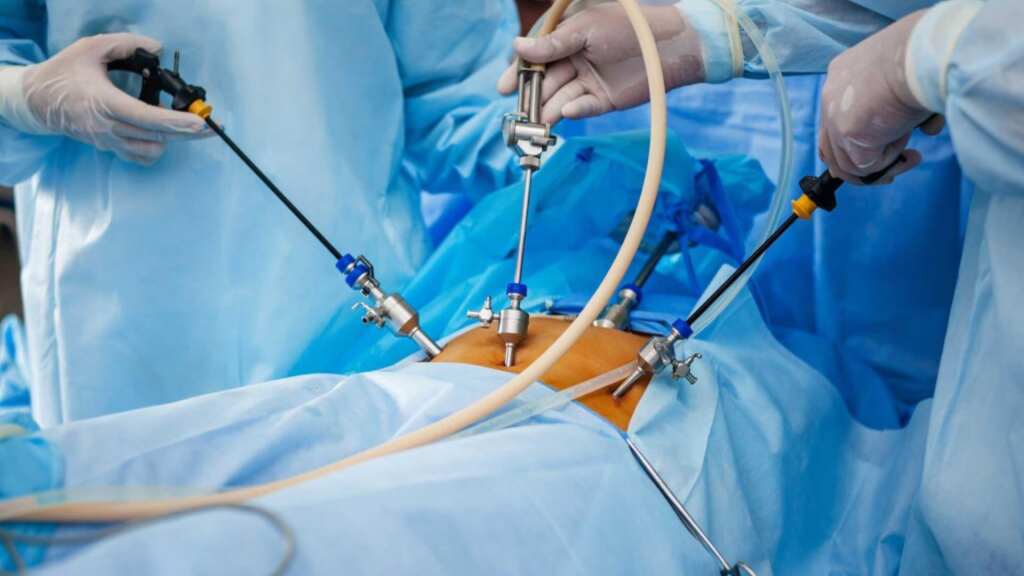
Advanced minimal invasive procedures are modern techniques that allow surgeons to perform surgeries with smaller incisions, leading to faster recovery times, less pain, and reduced risk of complications. These procedures are particularly beneficial for patients seeking quicker recovery and less discomfort after surgery. The focus is on using advanced technology, such as laparoscopy, robotic surgery, and other minimally invasive methods to perform complex surgeries with great precision.
Reasons for Advanced Minimal Invasive Procedures
These advanced techniques are used to treat a variety of conditions, ranging from gynecological issues to abdominal disorders and orthopedic surgeries. Some common reasons include:
Chronic pain conditions (e.g., pelvic pain, back pain, etc.)
Fibroids or other benign tumors
Cancers, such as those of the uterus, ovaries, or other reproductive organs
Endometriosis, where tissue grows outside the uterus
Uterine prolapse and bladder prolapse
Gallbladder disease or gallstones
Appendicitis
Hernias
Lung and heart surgeries (e.g., heart bypass, valve repair)
Weight loss procedures (e.g., bariatric surgery)
By utilizing advanced minimal invasive procedures, these conditions can be treated more effectively and with fewer complications than traditional open surgeries.
Types of Advanced Minimal Invasive Procedures
There are several types of advanced minimal invasive procedures, each suitable for different medical conditions. These include:
Laparoscopic Surgery
Also known as keyhole surgery, this involves making small incisions (usually less than 1 cm) through which a camera (laparoscope) and specialized instruments are inserted.
Benefits: Shorter recovery times, less pain, lower risk of infection, smaller scars.
Robotic Surgery
Uses a robotic system to perform complex surgeries with a high degree of precision. The surgeon controls the robotic arms, which are equipped with cameras and surgical tools, from a console.
Benefits: Enhanced precision, improved visualization, faster recovery, and smaller incisions.
Endoscopic Surgery
A type of surgery that uses an endoscope (a flexible tube with a light and camera) to view the inside of the body. This is often used in surgeries of the digestive system or for diagnosing conditions like gastrointestinal cancer.
Laser Surgery
A high-energy laser beam is used to remove tissue, cauterize blood vessels, or treat conditions such as obstructions in the bile ducts.
Benefits: Less bleeding, faster healing, and minimized tissue damage.
Percutaneous Procedures
This includes a range of treatments where the surgeon accesses the body through the skin using small incisions. It’s commonly used in cardiovascular, orthopedic, and neurosurgical treatments.
Benefits: Minimal scarring, reduced risk of infection, and faster recovery time.
Reasons for Advanced Minimal Invasive Procedures
These advanced techniques are used to treat a variety of conditions, ranging from gynecological issues to abdominal disorders and orthopedic surgeries. Some common reasons include:
Chronic pain conditions (e.g., pelvic pain, back pain, etc.)
Fibroids or other benign tumors
Cancers, such as those of the uterus, ovaries, or other reproductive organs
Endometriosis, where tissue grows outside the uterus
Uterine prolapse and bladder prolapse
Gallbladder disease or gallstones
Appendicitis
Hernias
Lung and heart surgeries (e.g., heart bypass, valve repair)
Weight loss procedures (e.g., bariatric surgery)
By utilizing advanced minimal invasive procedures, these conditions can be treated more effectively and with fewer complications than traditional open surgeries.
Techniques in Advanced Minimal Invasive Procedures
Laparoscopy (Keyhole Surgery)
A camera (laparoscope) is inserted through a small incision to provide a real-time view of the surgery area. Other small incisions are used to insert surgical instruments.
Benefits: Less tissue damage, shorter hospital stay, reduced pain, and quicker recovery.
Applications: Hysterectomy, gallbladder removal, hernia repairs, bariatric surgery.
Robotic-Assisted Surgery
The robotic system provides enhanced 3D visualization and greater precision. It is used to perform delicate surgeries, especially in gynecology, urology, cardiothoracic surgery, and orthopedics.
Benefits: Better precision, control, and visibility, allowing for minimally invasive heart surgeries, kidney surgeries, and other intricate operations.
Endoscopic Procedures
An endoscope is inserted through small incisions to provide direct visual access to internal organs like the digestive system, lungs, or urinary tract.
Applications: Endoscopic sinus surgery, colonoscopy, gastroscopy, and bronchoscopy.
Laser-Assisted Surgery
Lasers are used in various medical fields, including gynecology (e.g., to treat cervical dysplasia or fibroids), urology (e.g., for kidney stones), and dermatology (e.g., to remove skin lesions).
Benefits: Less bleeding, smaller incisions, faster healing, and improved precision.
Percutaneous Vertebroplasty
A procedure used to treat spinal fractures by injecting cement into fractured vertebrae using a needle inserted through the skin.
Benefits: Minimizes the risk of infection, short recovery time, and quick relief from pain.
Benefits of Advanced Minimal Invasive Procedures
Compared to traditional open surgeries, advanced minimal invasive procedures offer several advantages:
Reduced Pain
Smaller incisions mean less trauma to the body, leading to less pain during and after surgery.
Faster Recovery
Minimal invasive techniques generally require shorter hospital stays and faster recovery times, often allowing patients to resume daily activities within days to weeks rather than months.
Smaller Incisions
Unlike traditional surgery, where large incisions are made, these procedures require only small incisions. This leads to minimal scarring and less risk of wound infections.
Less Blood Loss
The precision of these techniques, combined with the use of minimally invasive instruments, results in less bleeding during surgery.
Reduced Risk of Infection
Smaller incisions and less exposure to the environment reduce the risk of infection compared to larger, open surgeries.
Improved Visualization and Precision
Techniques like laparoscopy and robotic surgery provide better visualization of internal organs, which can lead to more accurate procedures and fewer complications.
Recovery After Advanced Minimal Invasive Procedures
Recovery times for these procedures vary depending on the type of surgery, but in general:
Faster healing due to smaller incisions
Shorter hospital stay (sometimes as short as 24 hours for procedures like laparoscopic hysterectomy)
Minimal scarring
Quicker return to normal activities, usually within 1-2 weeks
You may be instructed to avoid heavy lifting or strenuous activities for a period of time, depending on the surgery.
Empower
Your Health, Your Power
Prevention begins with awareness. By choosing proactive care, you’re taking charge of your health today—for a stronger, healthier tomorrow.